Welcome to Bergano Chemical Co., Ltd
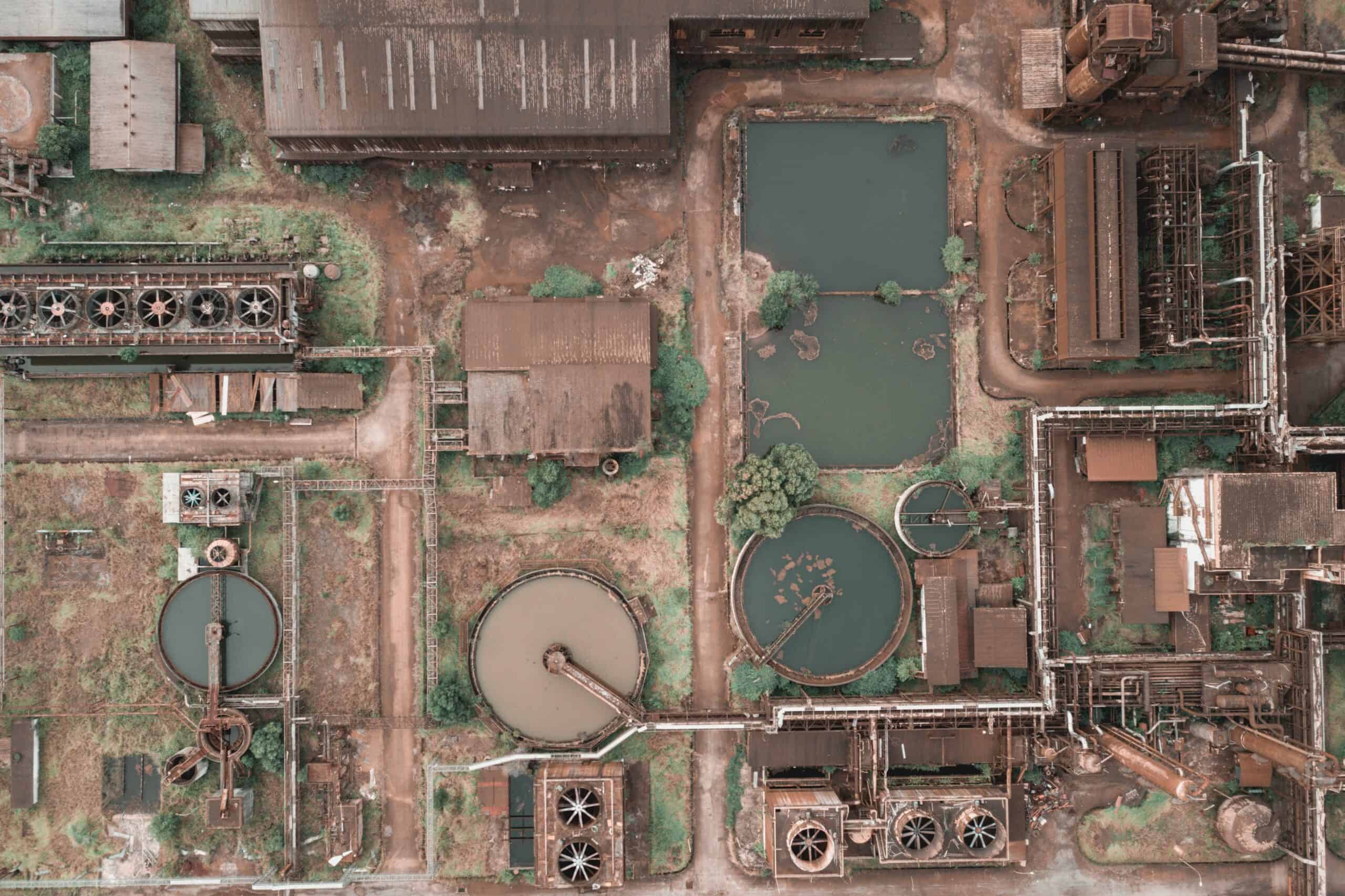
Wastewater Treatment
Wastewater Treatment Chemicals | Bergano Chemical
Sodium Metabisulfite
Used as an anti-chlorine agent in water treatment, sodium metabisulfite removes chlorine from water and is widely used in municipal and industrial water treatment facilities, as well as for aldehyde and ketone purification.
Sodium metabisulfite is also a reducing agent, and is used in wastewater treatment as a treatment for wastewater containing chromium. The state requires that chromium-containing wastewater be treated separately and not discharged to a combined pond.
With decreasing fresh water sources, rising water pollution levels and climate change, governments and global environmental protection associations have implemented strict regulations to protect available water resources and reduce water pollution. This has led to an increase in demand for sodium metabisulfite for chemical treatment of water.
Sodium Sulfite
Among the applications of sodium sulfite, the water treatment industry is booming as it is used as a dechlorinator, oxygen reducer, scavenger, etc. The growing demand for technical grades in the water treatment industry is driving the global sodium sulphite market size and it is expected to grow in demand in the coming years.
The second major application of sodium sulfite is in water and wastewater treatment plants, here are a few simple examples:
It can be used to react with and neutralize the excess chlorine used in water and wastewater treatment processes.
As an intensive reducing agent for wastewater treatment by interacting with sulfur dioxide to produce sodium bisulfite and with strong acids to produce the corresponding salt.
Some materials are highly susceptible to oxidation and very sensitive to oxygen, when anhydrous sodium sulfite is available for protection to avoid oxidation of materials and to play the role of rust prevention effect, for example, it can be used as a deaerator in boiler water treatment,.
Sodium Bicarbonate
Sodium bicarbonate is an alkalinity source used in some wastewater-treatment processes. In biological systems that carry out nitrification, alkalinity is consumed as ammonia is oxidized. Assessing the available alkalinity helps the treatment team evaluate whether an additional source is needed.
Define the process before selecting the product
A procurement enquiry should identify the wastewater stream, the treatment stage and the reason for considering sodium bicarbonate. Include the measured pH and alkalinity, expected flow variation and, where relevant, the nitrogen load. These details help distinguish a raw-material supply enquiry from a process-design decision.
Check the proposed specification
Compare the proposed sodium bicarbonate against your acceptance limits for assay, moisture and relevant impurities. Review particle characteristics and compatibility with the plant’s storage, preparation and feeding equipment. Ask for the specification, safety data sheet and representative certificate of analysis, and agree how a sample or site trial will be assessed.
Prepare the supply enquiry
Provide the expected order quantity, consumption forecast, packaging requirements, destination and delivery schedule. Review the sodium bicarbonate product range and submit a wastewater-treatment enquiry with your requirements.