Sodium carbonate and sodium bicarbonate have similar names but different chemical identities and behaviour. Sodium carbonate is commonly called soda ash, while sodium bicarbonate is known as baking soda or bicarbonate of soda. The differences matter when choosing an ingredient or process chemical.
Chemical identity
Sodium carbonate: Na₂CO₃; CAS 497-19-8 for the anhydrous form; molecular mass approximately 106.0 g/mol. Hydrated forms also exist, so a purchasing specification should identify the required form.

Sodium bicarbonate: NaHCO₃; CAS 144-55-8; molecular mass approximately 84.0 g/mol. Sodium bicarbonate and bicarbonate of soda refer to the same compound.
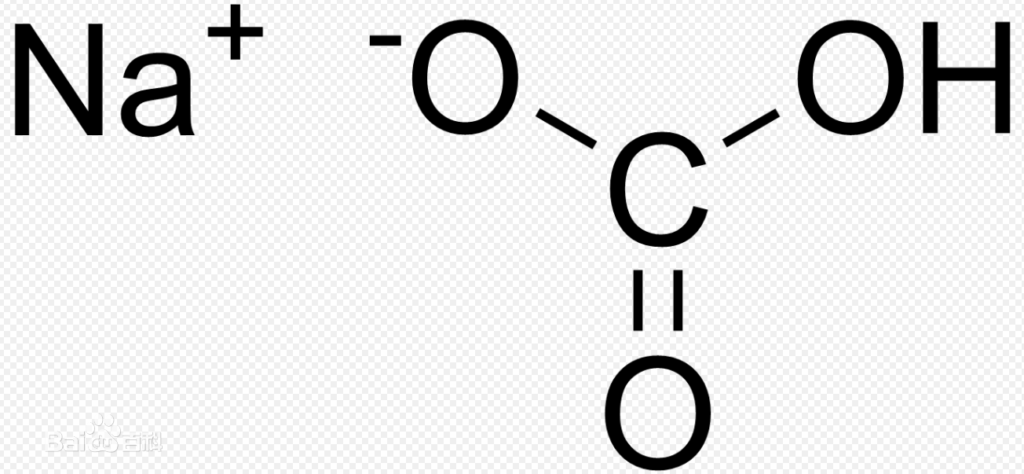
For the naming question, read our sodium bicarbonate and bicarbonate of soda guide.
Physical properties
Sodium carbonate is a white solid commonly supplied as powder or granules. The anhydrous material is hygroscopic, meaning it can take up moisture from its surroundings. Keep the container closed and follow the supplied storage guidance.

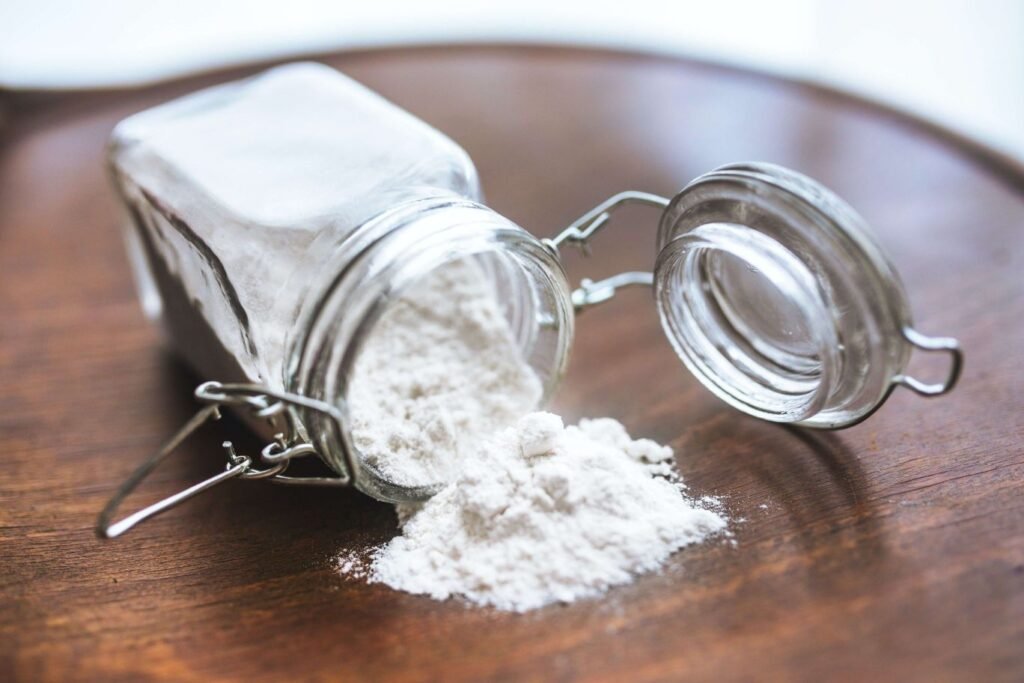
Sodium bicarbonate is a white crystalline powder. Particle size and bulk handling characteristics vary with the offered product, so these should be checked separately from chemical identity.
Both dissolve in water. The ILO/WHO International Chemical Safety Cards list water solubilities at 20°C of about 30 g/100 mL for anhydrous sodium carbonate and 9.3 g/100 mL for sodium bicarbonate. These reference values show that sodium carbonate is more soluble under those stated conditions; they are not batch acceptance limits.
Chemical properties
Alkalinity: both form alkaline aqueous solutions, but sodium carbonate produces a more strongly alkaline solution under comparable conditions. Sodium bicarbonate is a weaker base and is useful where a milder alkaline ingredient or buffer is required. Measured pH depends on concentration, temperature and the other substances present.
Reaction with acids: both react with acids and can release carbon dioxide. This is a useful function in a designed formulation, but also an important compatibility consideration when handling and storing either chemical.
Behaviour on heating: sodium bicarbonate releases carbon dioxide and water as it converts to sodium carbonate. The rate and extent depend on the heating conditions. A general comparison article should not replace a process-specific thermal specification or the material's SDS.
Differences in typical uses
Sodium carbonate is widely used in glass manufacture and in detergent and chemical processing. Its stronger alkalinity can be useful in processes requiring that property.
Sodium bicarbonate is used in appropriate food formulations for leavening, in animal nutrition as a sodium source and dietary buffer, and in specified industrial processes such as acid-gas treatment. The required grade and specification depend on the application.
For more detail, explore sodium bicarbonate in the food industry, industrial production, or animal-feed formulation.
Choosing sodium bicarbonate for purchase
Confirm the chemical identity first, then the grade, composition, impurity limits, particle size and required documents. Do not substitute one chemical for the other without reviewing the formulation and process.
For product information, explore Bergano Chemical's food-grade sodium bicarbonate, feed-grade sodium bicarbonate, and industrial-grade sodium bicarbonate. Include your intended use, quantity, destination and preferred packing in your enquiry.