
For conventional food-grade powders, start with 80 mesh for direct addition to water under moderate agitation. Choose 200 mesh when your process separates the powder effectively and needs faster viscosity development. The deciding factor is how the gum enters the liquid and disperses before it thickens.
Choose by your mixing setup
| Your mixing setup | Starting choice | Reason |
|---|---|---|
| Direct powder addition with moderate agitation | 80 mesh | Coarser powder gives more time to separate particles before viscosity develops. |
| Effective dry preblending, oil predispersion or strong powder induction; faster thickening is needed | 200 mesh | Fine particles hydrate faster after they are evenly separated in the liquid. |
| Hand mixing or very low shear, with persistent lumps | Improve dispersion first | Use a suitable dry preblend or a product format designed for easy dispersion. |
| An approved production formula already works | Keep the approved mesh | Change particle size to solve an identified mixing or texture problem. |
For an instant dry blend, distribute xanthan evenly through the other powders before reconstitution.
Why easier dispersion and faster hydration differ
Dispersion means physically separating and distributing the powder particles through the liquid. Hydration is the uptake of water as xanthan develops its thickening properties.
Fine powder offers more surface area for water contact and develops viscosity quickly once dispersed. Added too quickly to water, however, fine xanthan forms hydrated outer layers around clusters of dry powder. These lumps, often called fish eyes, slow the preparation of a uniform batch. Coarser powder hydrates more slowly, giving the mixer more time to separate the particles.
For 200 mesh, establish even powder distribution before rapid thickening begins. Dry blending with a suitable recipe ingredient, predispersion in a compatible oil phase, or controlled feeding into an effective mixer are practical routes. For direct addition, feed 80 mesh gradually into moving liquid and allow sufficient mixing time for full hydration.
This explains the choice: 80 mesh favours a more forgiving incorporation step; 200 mesh favours faster hydration after successful dispersion. A process with very limited agitation benefits from a specifically dispersible format. Clear formulations also need a grade selected for solution clarity.
Compare the actual sieve and product specifications
Read the mesh designation together with its passing percentage. The food-grade specifications below illustrate the sieve limits used for the two particle-size options.
| Food-grade particle-size option | Sieve acceptance limit |
|---|---|
| 80 mesh | At least 95% passes an 80-mesh sieve |
| 200 mesh | At least 92% passes a 200-mesh sieve |
These percentages refer to different sieves. They describe the fraction passing the stated screen, rather than a single particle diameter.
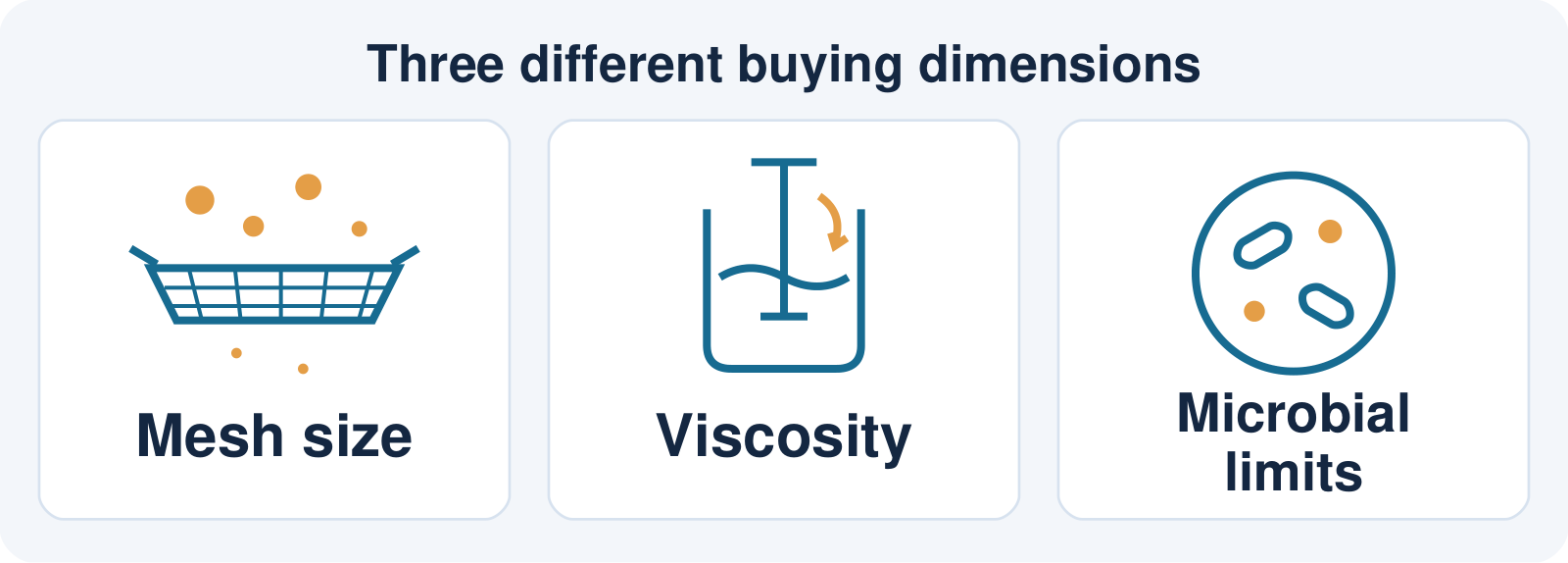
Mesh, solution viscosity and microbiological limits are separate specification items. For example, two 80-mesh options have viscosity ranges of 1,200–1,800 and 1,300–1,700 mPa·s, both measured using 1% xanthan gum in 1% KCl, Brookfield LVDV-II+, No. 3 spindle, 60 rpm, at 25 ± 1°C. Their respective maximum total plate counts are 5,000 and 2,000 CFU/g, with yeast and mould limits of 500 and 100 CFU/g. Select these requirements alongside particle size to match the ingredient specification for your food.
In production, compare the time to a uniform, fully hydrated batch and the resulting pour, cling, suspension or mouthfeel. Use the same recipe, dosage, temperature and mixing sequence when comparing the two mesh options. This identifies whether a change in particle size improves your process.
Food-grade xanthan gum from Bergano
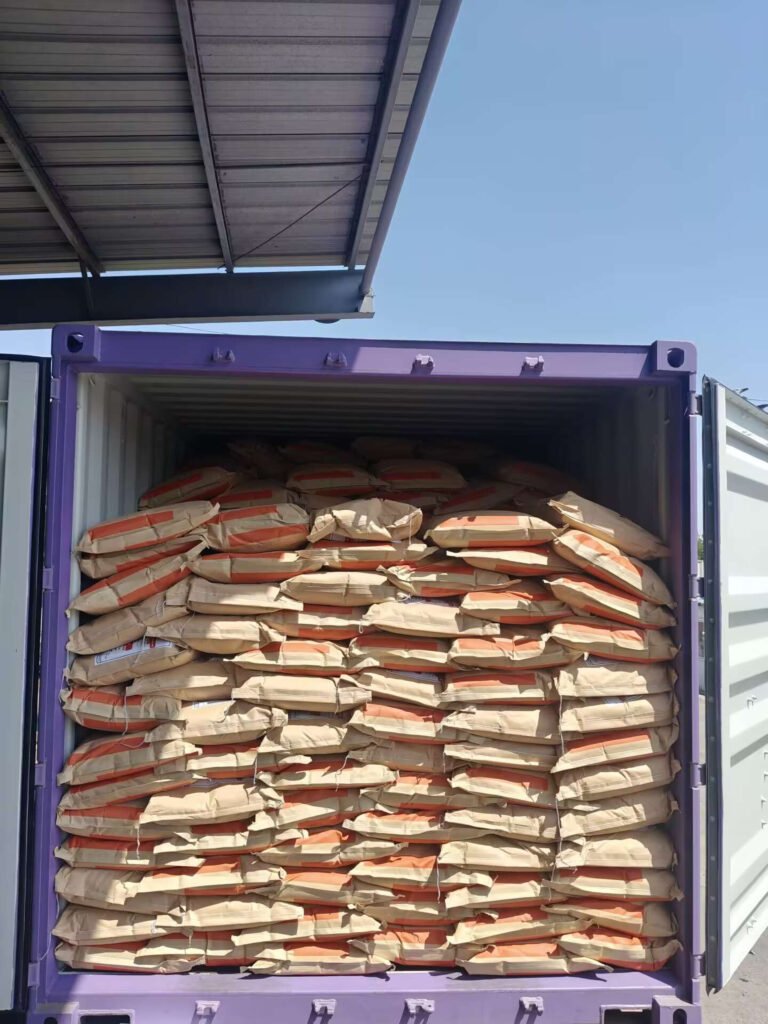
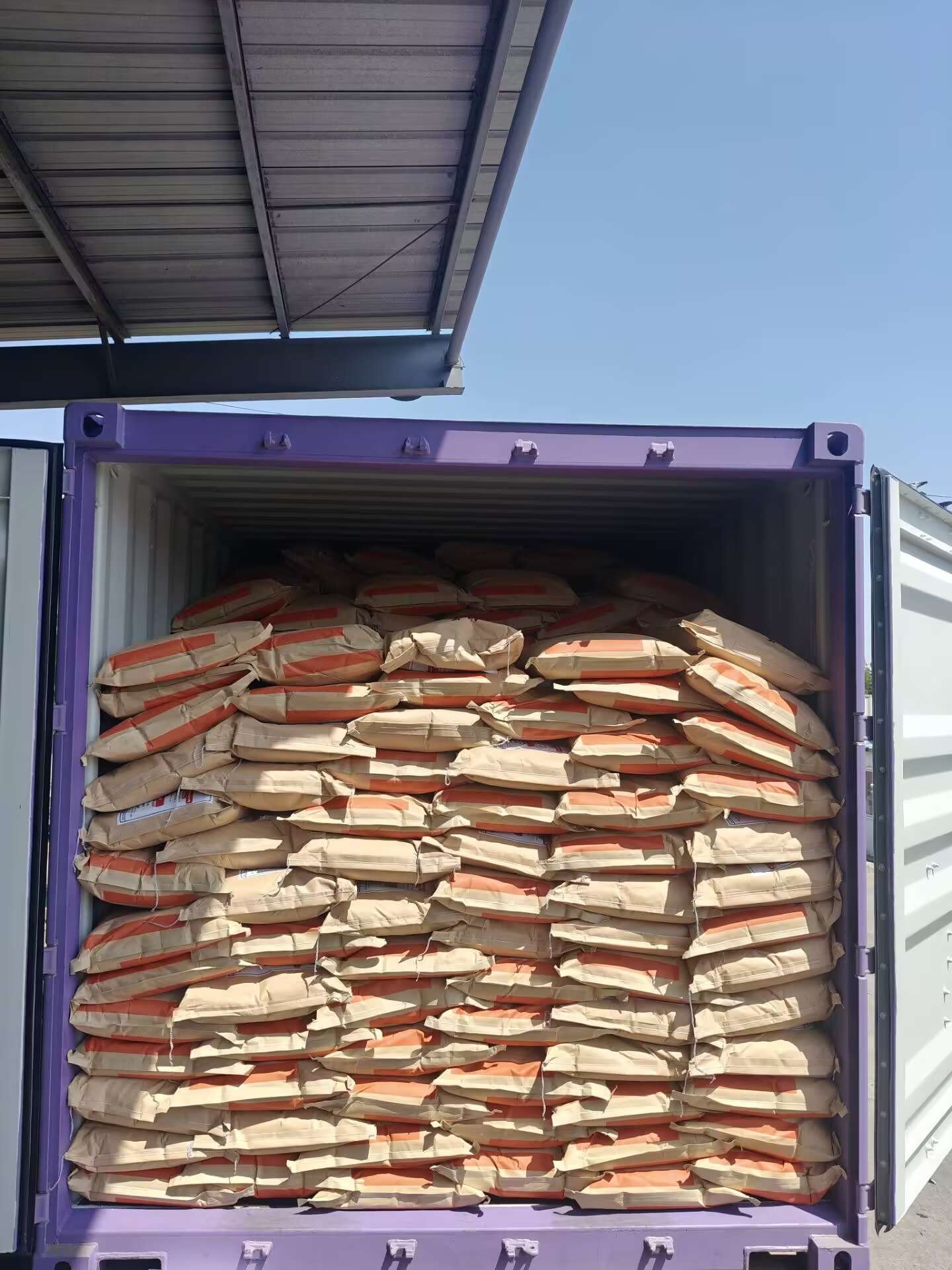
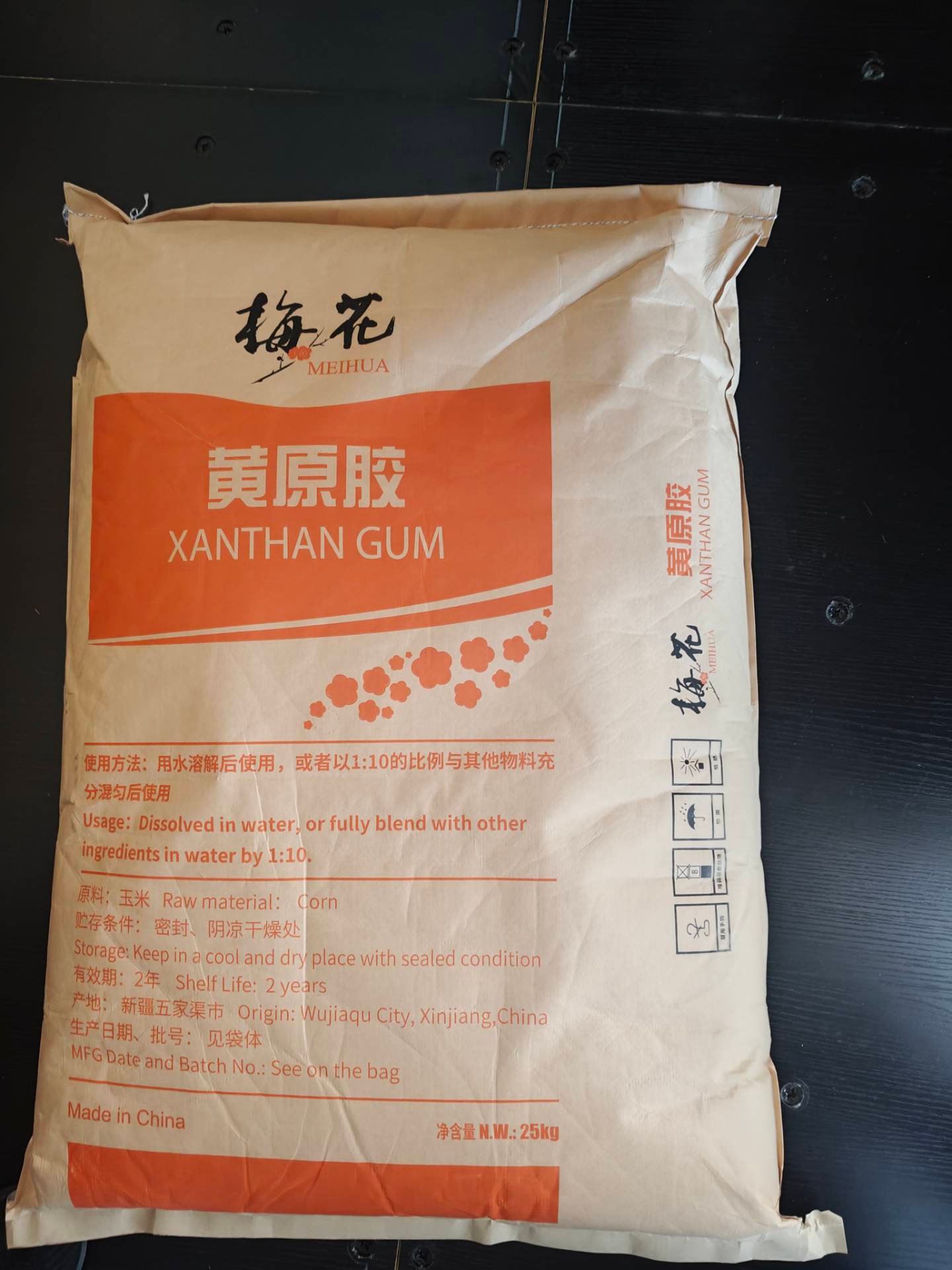
Bergano supplies Meihua xanthan gum, including 80-mesh and 200-mesh food-grade options in 25 kg bags. Bulk purchasing, flexible order quantities and compatible mixed-product shipments are available; see How to Purchase.
Request a Food-Grade Xanthan Gum Quote
Comparing different thickeners? Read Xanthan Gum vs CMC for Food Manufacturers.